Our Journey

I didn’t set out to build a furniture brand. I set out to stop the quality of my home-life being eroded.

I watched work quietly take over. It arrived on a laptop, colonised the kitchen table, claimed the spare room and never quite left. The place my family rested and lived was slowly becoming somewhere I was always on the clock.

I didn’t want to give up good work. I didn’t want to give up my home either.

The problem became a question:

How do I work well without surrendering my home to ugly, mechanical, corporate office furniture?

The answer was on the wall.

The strongest structure in any room is the room itself, so why use a heavy steel frame to do work the building is already doing?

Why do the work twice?

Lean on it instead.

That thought became Leandesk. A desk that borrows its strength from the building so it can be light. Light enough to move to the window, into another room or outside on a good day. A desk that rises and falls with you, then folds flat when you’re done.

The fold isn’t just a feature. It’s a ritual.

Inside that simple action is something we’ve been losing since work moved home: the moment work stops.

Your evening back. Your room back. Your home, still a home.

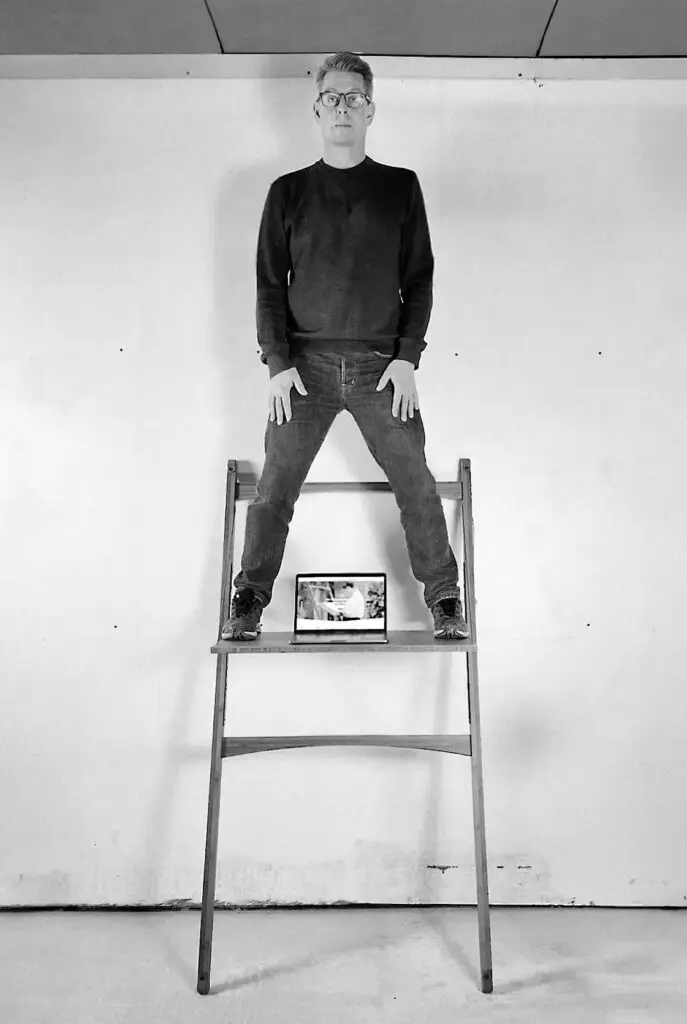
Henry Swanzy, Leandesk Founder + Designer

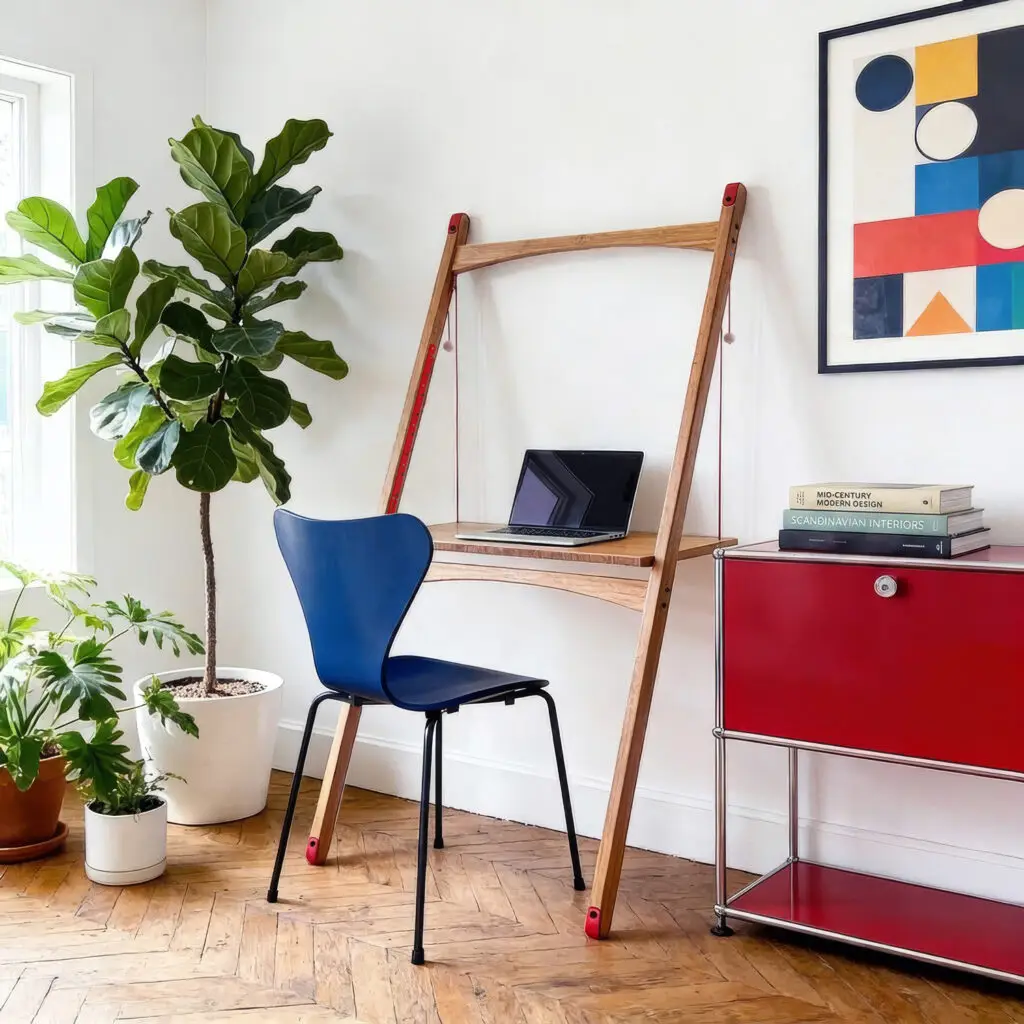
Leandesk in a seated position paired with USM sideboard

Thirty years in the making

Leandesk may have begun with one simple observation, but the ideas behind it have been developing for more than three decades.

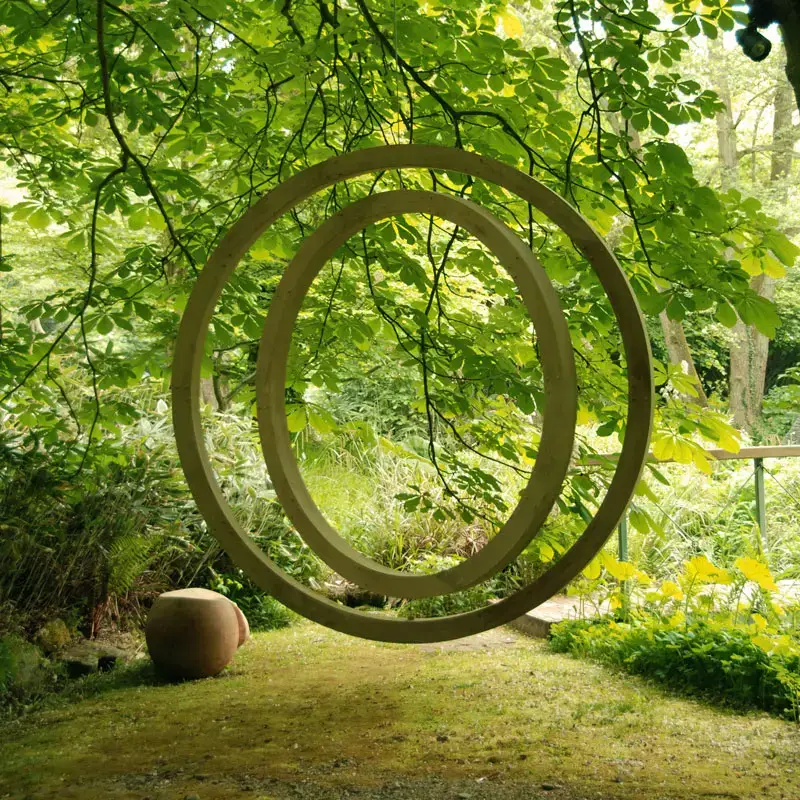
Henry Swanzy’s work has moved through traditional cabinet-making, fine furniture, sculpture, sustainable material research, marine engineering and experiments with physics.

Different disciplines, but the same question running through them:

How much can we remove and still make something work beautifully?

Craft

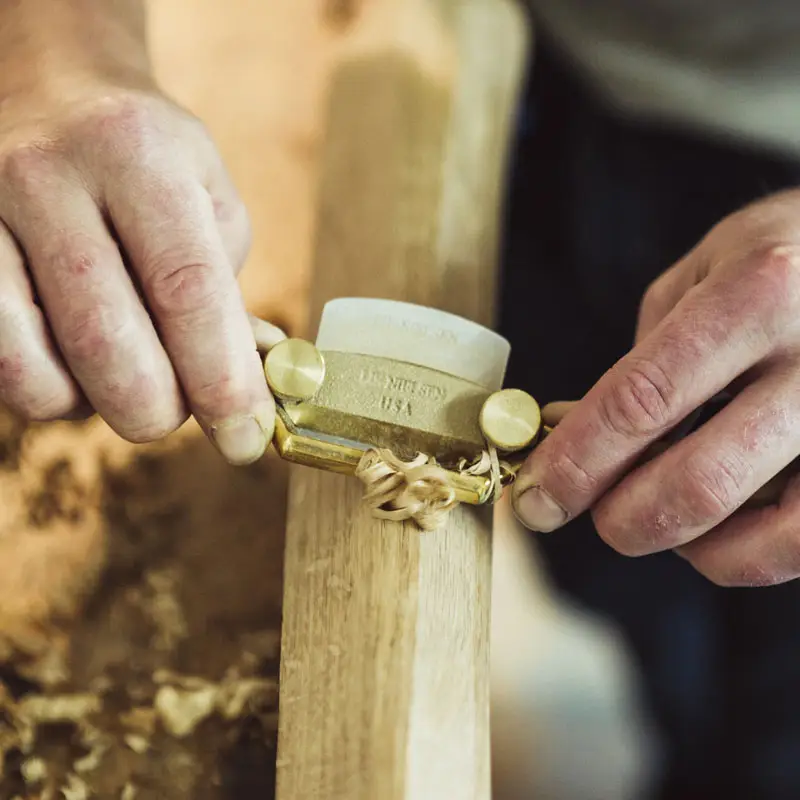
Henry began training in traditional cabinet-making in Devon in 1994.

It was an education in precision, material and the value of making something properly. After working with established designer-makers, he opened Swanzy Fine Furniture in 1999, designing and making bespoke pieces from carefully selected hardwoods.

Those years established an appreciation for craftsmanship that still sits at the heart of Leandesk.

But craftsmanship didn’t have to mean complexity.

Reduction

Furniture gradually became sculpture. Sculpture led back to design.

An MA at Falmouth brought a deeper focus on sustainable materials, exploring how overlooked and renewable resources could replace more conventional choices.

At the same time, Henry’s work became increasingly pared back.

Less decoration.
Fewer components.
Less material.

More thought.

Physics

By the mid-2010s, simple structural physics had become central to Henry’s work.

Instead of adding components to create strength, he began exploring how geometry, tension, balance and the properties of the materials themselves could do the work.

A table held rigid by the angle of its legs.

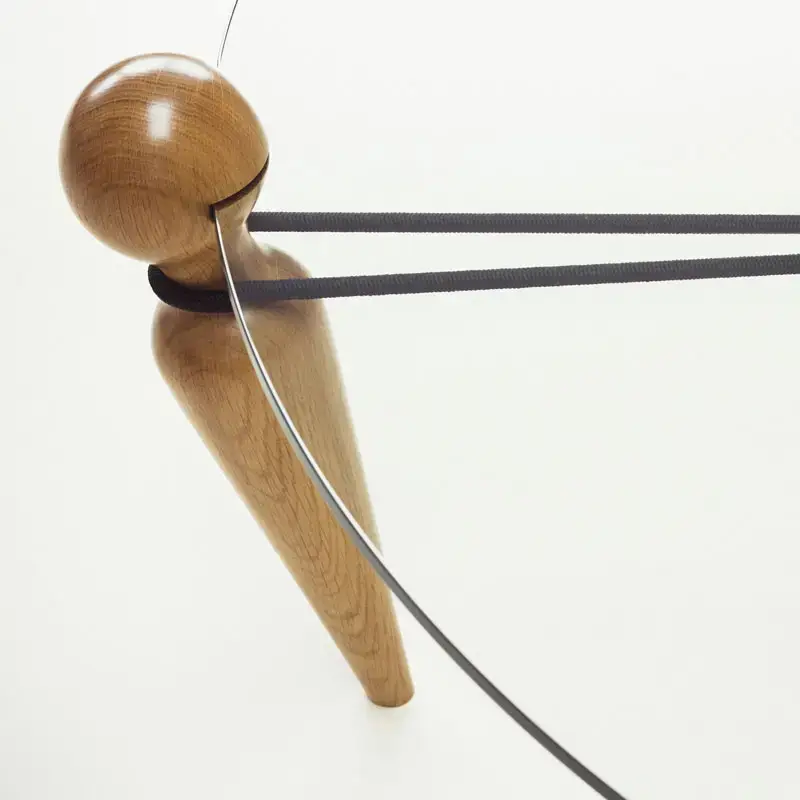
A shelf reduced to little more than a surface and a length of high-performance cord.

A desk capable of carrying extraordinary weight while folding almost completely flat.

Each project removed another assumption about what furniture needed to be.

From the water

Henry’s studio in Falmouth was surrounded by boats, sailing and marine engineering.

That environment introduced another material into his work: Dyneema®.

Developed for demanding applications including performance sailing, the fibre is remarkably strong, lightweight and flexible.

Henry began experimenting with it in furniture in 2019.

It allowed structure to come from tension rather than mass.

The Fold Shelf followed. Then the Fold Desk.

And eventually another question.

Could a desk stand without being fixed to the wall, move continuously between sitting and standing, and still use almost nothing to do it?

Lean on it

Prototypes followed.

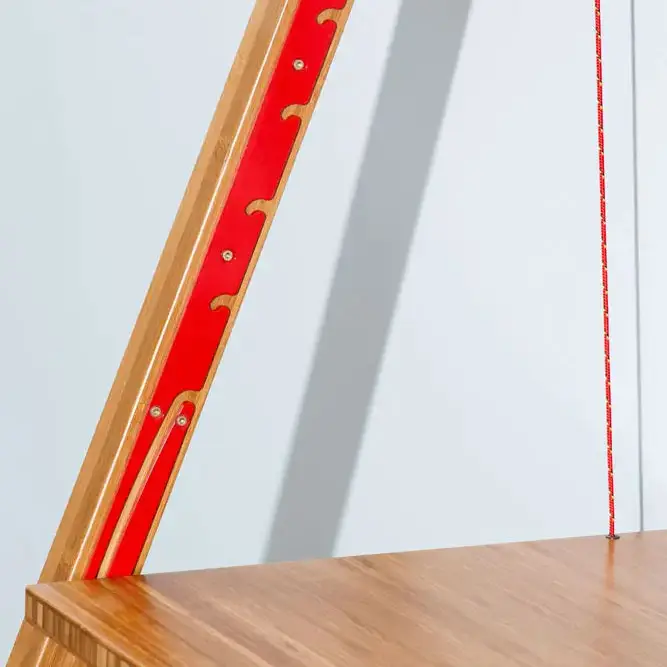
A pivot system was developed that could adapt to different angles while gripping the wall and floor.

Fine Dyneema cord and compact marine cleats provided infinitely variable adjustment without motors, electronics or heavy lifting columns.

The wall provided the structure.

The cord provided the tension.

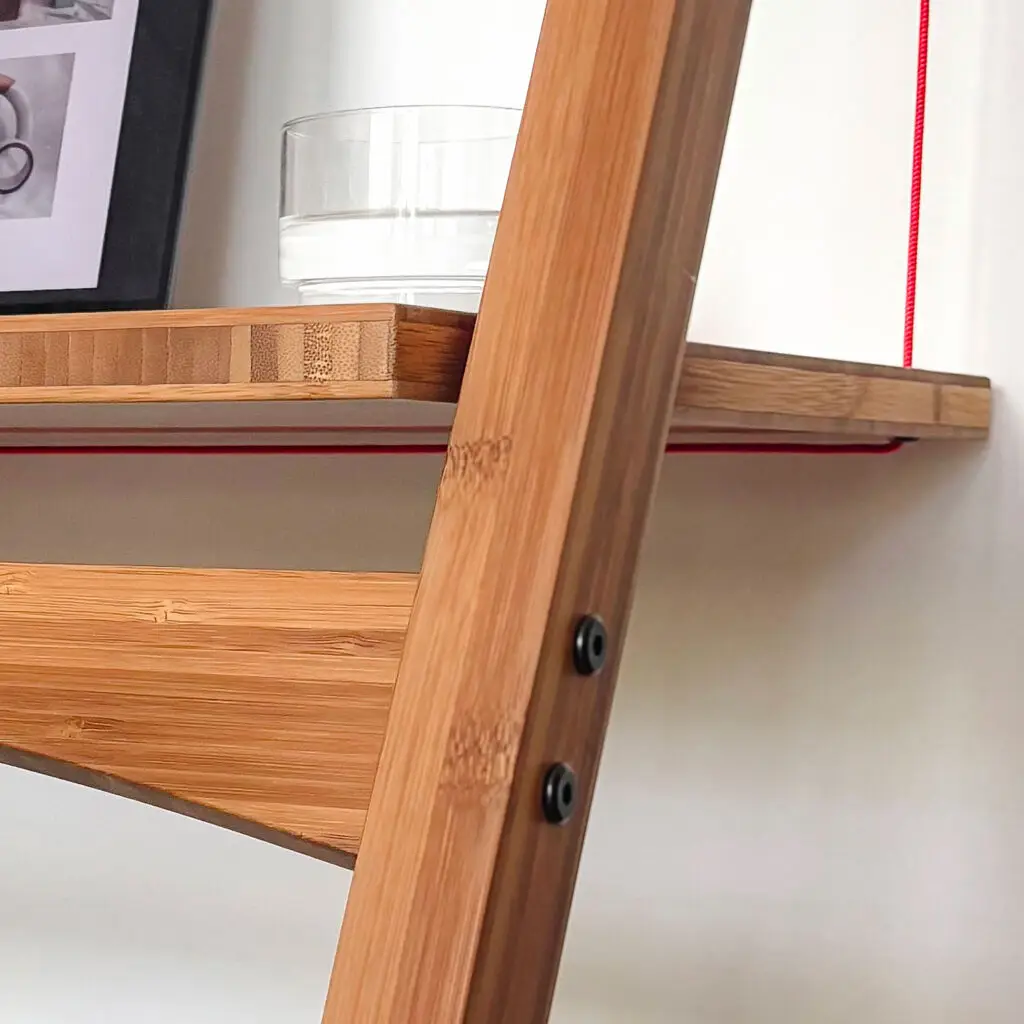
The bamboo provided the surface.

Everything had a job to do.

In 2021, the first Leandesk launched.

The Future of Leandesk

One desk was only the beginning.

Leandesk started as one desk leaning on one wall.

But the idea is bigger than a desk.

We’re creating a family of furniture and products designed around the realities of modern life. Objects that work hard when they’re needed, use materials intelligently, adapt as life changes and know when to get out of the way.

A place to work.
The space to live.

Shopping Cart
Your cart is currently empty!.

You may check out all the available products and buy some in the shop.

Continue Shopping
Add Order Note
Estimate Shipping