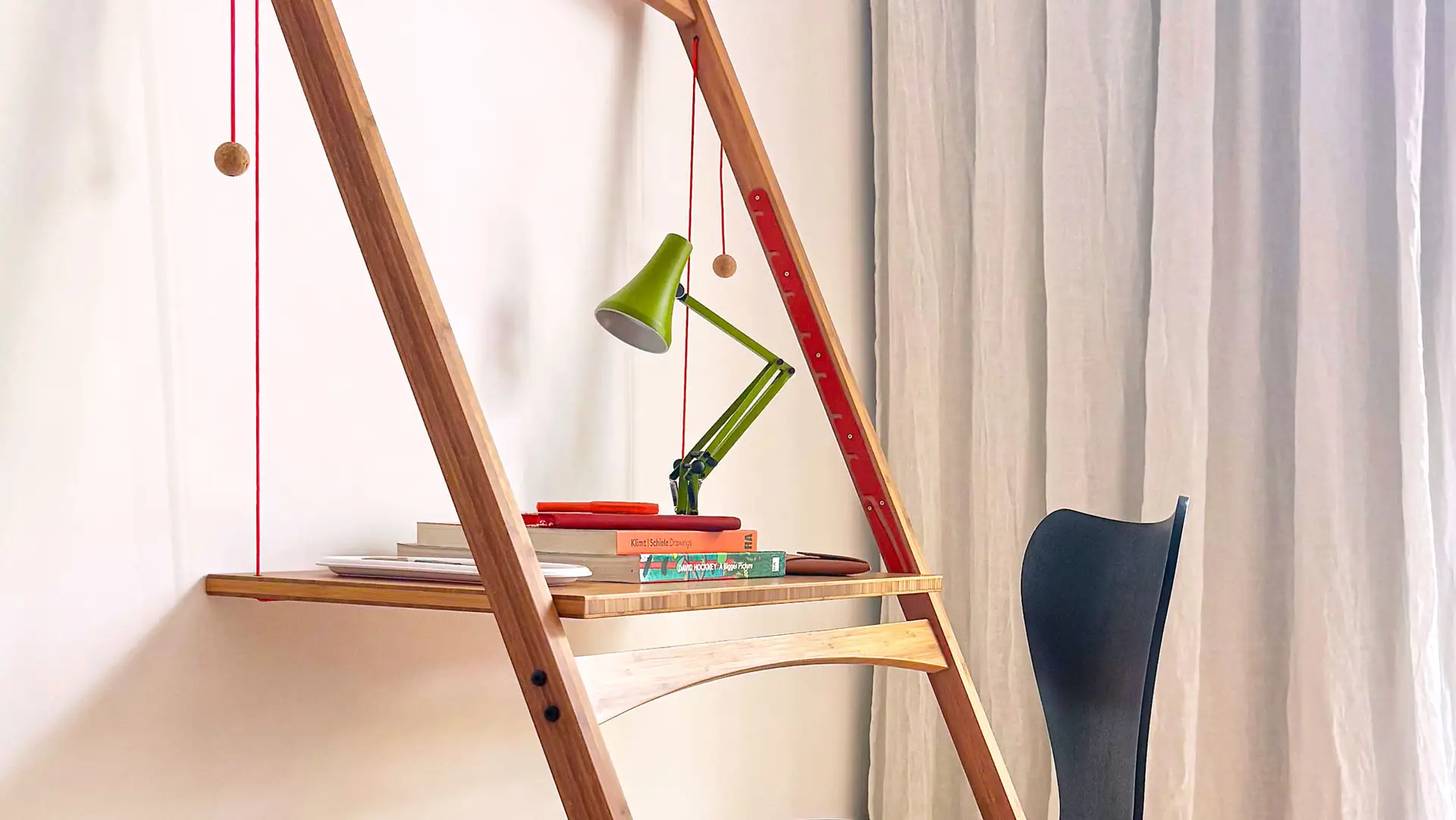
10 things to put on your Leandesk and keep for years
A good desk does not need much on it.
A light. A notebook. A pen. Perhaps somewhere for the inevitable collection of cables, glasses and small objects that gather during the working day.
We like objects that do their job well and then quietly get on with it. Things with enduring forms, honest materials and enough design integrity that they do not need replacing every time tastes change.
So, in the spirit of buying once and keeping well, here are ten objects we think would sit happily on a Leandesk for a very long time.
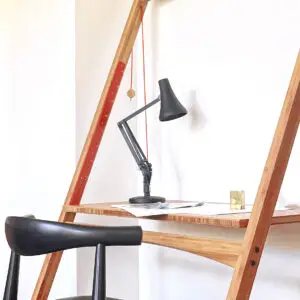
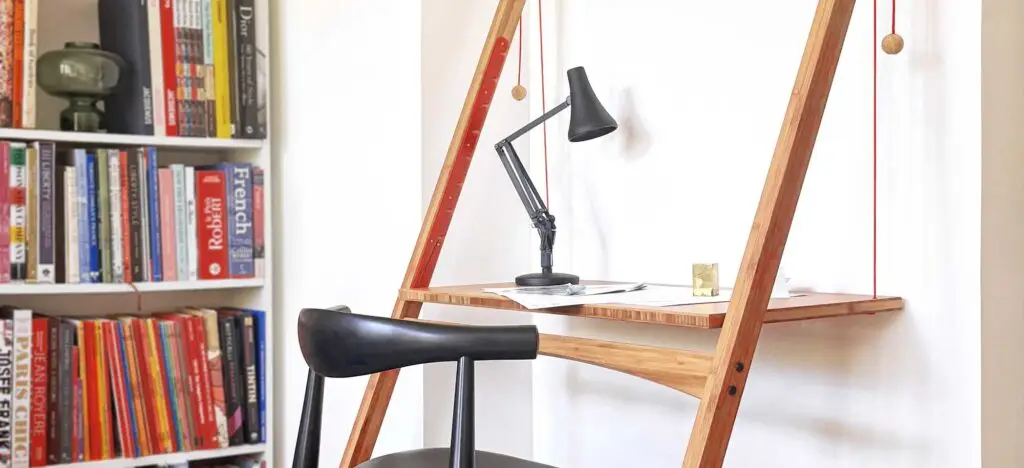
1. Anglepoise 90 Mini Mini Desk Lamp
There are few better examples of a piece of functional design becoming part of the visual language of the home.
The Original 1227 grew from George Carwardine’s spring mechanism and has been around since the 1930s. Its structure is not disguised. The springs, arms and joints are the design. And the 90 Mini Mini carries those same principles into a compact version.
It feels very at home alongside Leandesk.
Anglepoise also backs registered new lights with a lifetime guarantee and, importantly, its approach includes providing parts and supporting repairs where possible rather than jumping straight to replacement.
£115 at Anglepoise.com
Why we like it: engineering you can see, adjust and keep working forever.
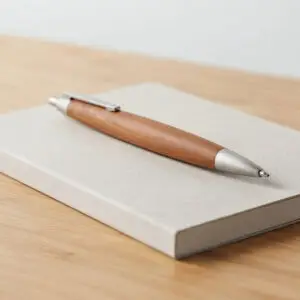
2. LAMY 2000 Ballpoint Pen
A useful test of enduring design is whether an object still looks contemporary long after the decade that produced it has disappeared.
The LAMY 2000 passes comfortably.
Designed by Gerd A. Müller and introduced in 1966, its pared-back combination of form and function still forms part of LAMY’s design language today. The ballpoint takes a replaceable refill, so the object itself stays while the consumable part changes.
It is exactly the sort of thing that can live in the same drawer for decades.
From £79 at Lamy.com
Why we like it: designed in 1966. Still doesn’t look old.
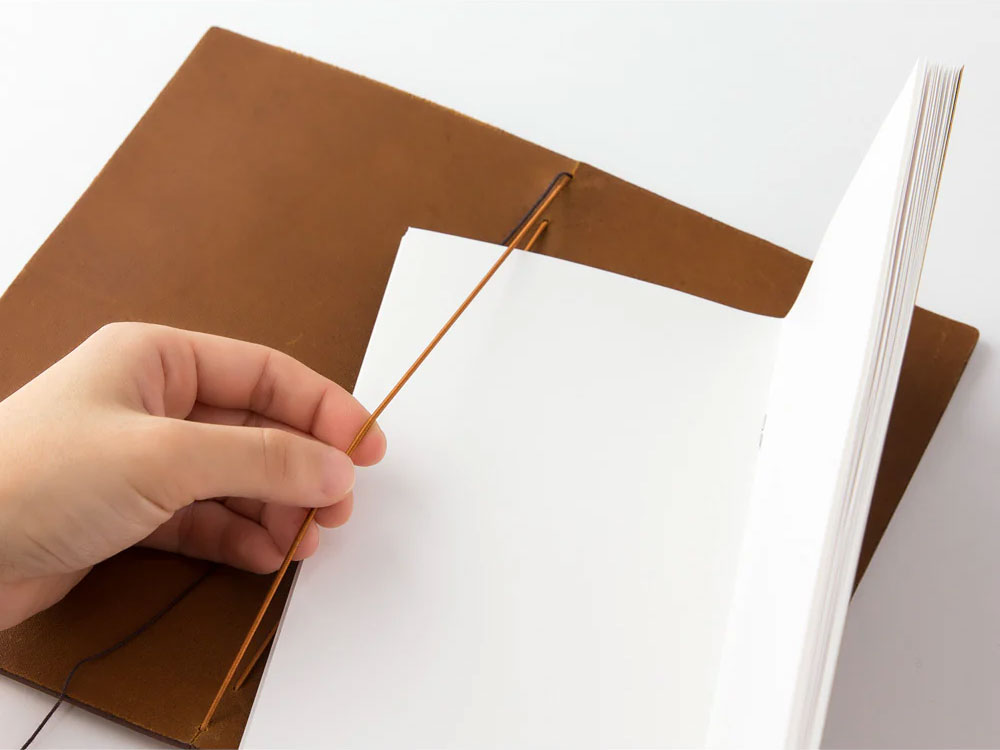
3. TRAVELER’S notebook
A notebook is usually disposable by definition. Eventually, you fill the last page.
TRAVELER’S notebook separates the lasting part from the consumable one. A simple leather cover stays with you while the paper inserts are replaced, combined and changed depending on how you use it.
The vegetable-tanned leather is not designed to remain pristine either. It darkens, marks and changes with use, gradually becoming less like a new product and more like your notebook. TRAVELER’S COMPANY actively celebrates that ageing process and offers a wide ecosystem of replaceable refills.
For notes, sketches and half-formed ideas, that feels right.
From £49.95 at LondonGraphics.co.uk
Why we like it: the more you use it, the more individual it becomes.
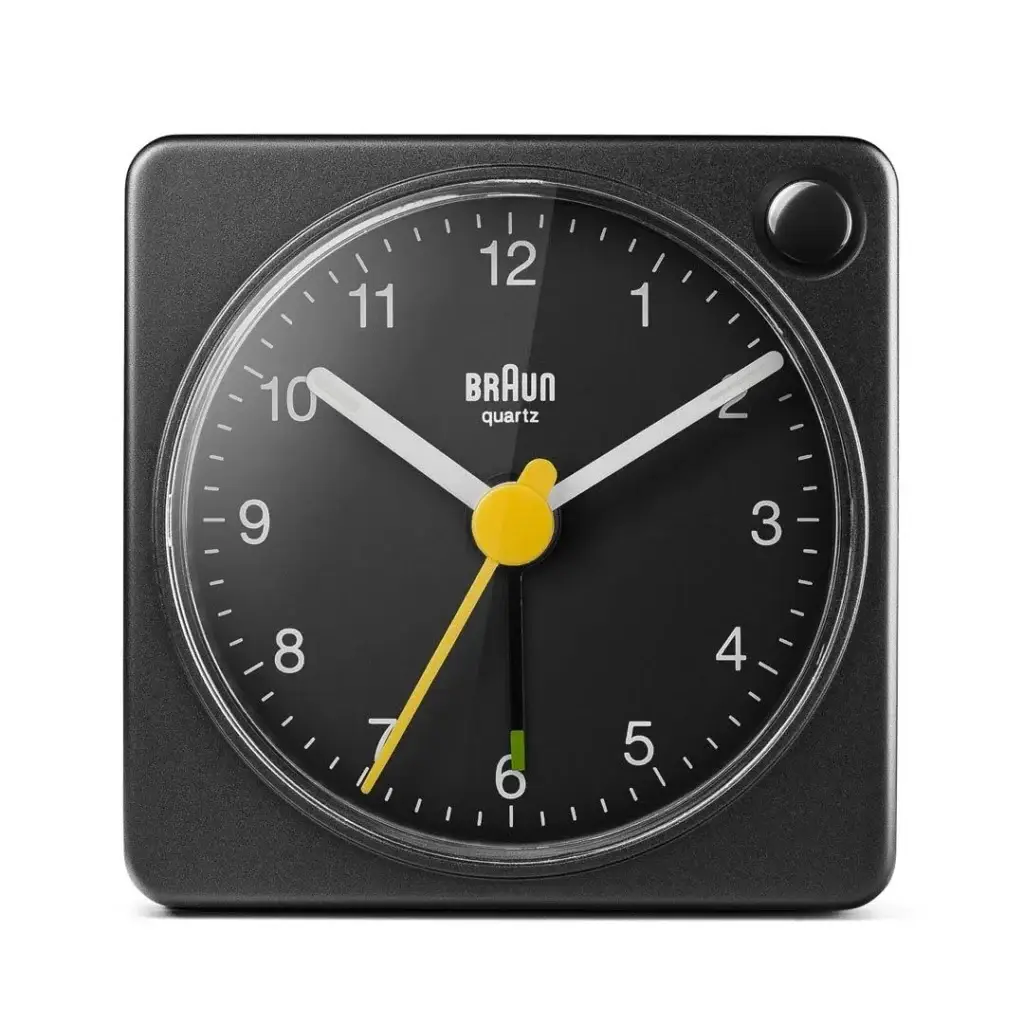
4. Braun BC02 Clock
There is something pleasing about having a clock on a desk that is not in the corner of another screen.
Braun’s small clocks carry the same restrained design language that made the company such an important influence on modern industrial design: clear face, uncomplicated typography, very little visual noise.
The BC02 is tiny, useful and unlikely to demand attention from the rest of the room.
And perhaps that is the point. Enduring objects are often the ones that do not try too hard to look new.
From £20 at Braun-Clocks.com
Why we like it: time, without another notification.
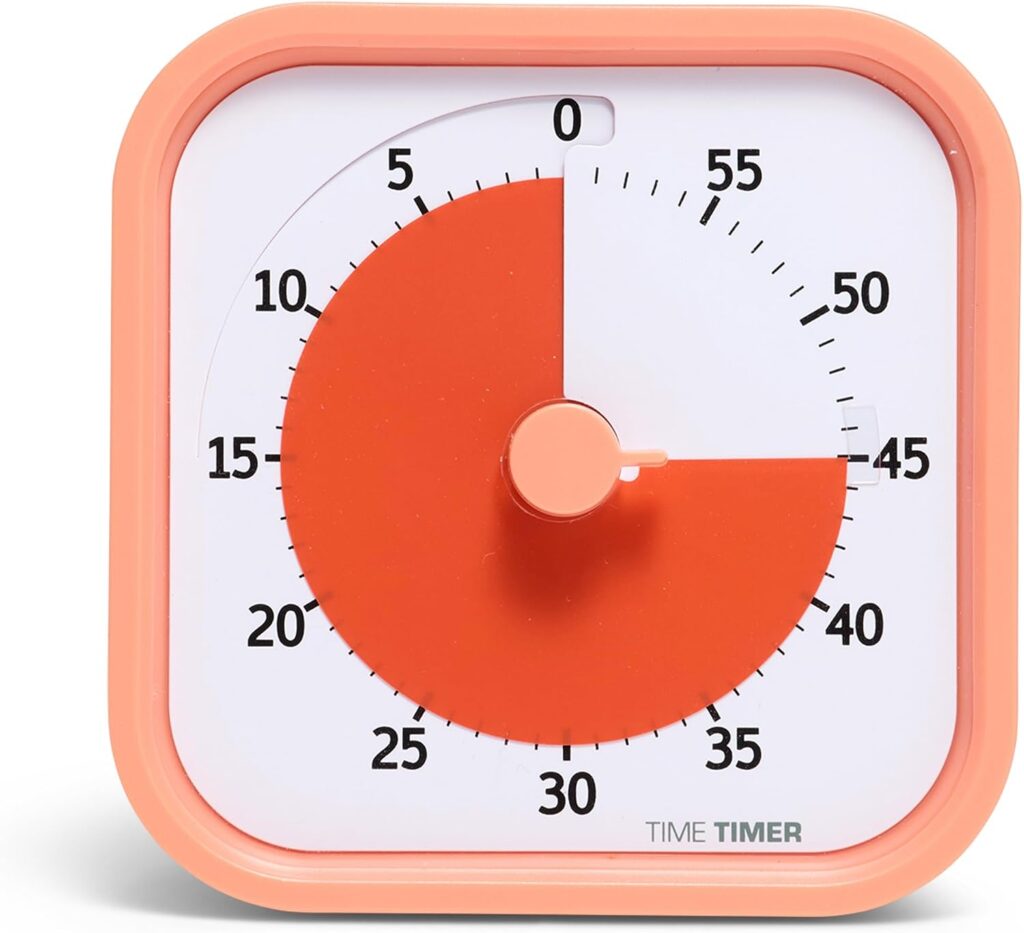
5. Time Timer MOD
For those who like to use The Pomodoro Technique, a time management method created by Francesco Cirillo in the late 1980s, the Time Timer MOD is an enduring tool that can improve your productivity.
Where the Braun simply tells you the time, the Time Timer makes time physical. Turn the dial and a coloured disc gradually disappears, giving you an immediate visual sense of how much of a working block remains.
The original Time Timer concept was invented more than 30 years ago, while the compact MOD uses a straightforward replaceable AA battery rather than requiring another charging cable on the desk.
Useful for a 25-minute focus session. Or for giving yourself a firm moment to stop.
Around £30 on Amazon
Why we like it: a simple, visible ritual for focusing on one thing.
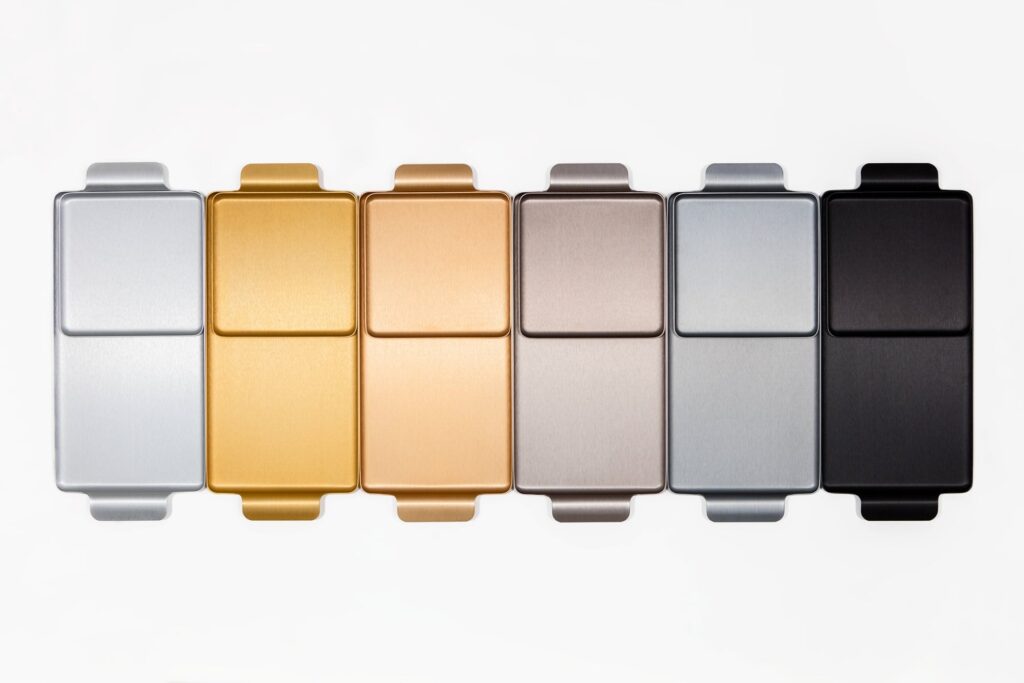
6. Kaymet Pressed Tray
A desk tidy does not necessarily need compartments.
Sometimes a beautiful tray is better.
Kaymet makes its pressed trays from anodised aluminium, brushed and hand finished. They have been continuously produced in London since the 1960s; some of Kaymet’s other tray designs stretch back even further, to the 1940s and 50s.
The smaller versions make an excellent place for the miscellaneous things that otherwise spread across a desk: a pen, AirPods, glasses, keys, charging cable.
And when it is not on a desk, it is still a tray.
That versatility matters if you plan to own something for decades.
£45 at MyGodshot.com
Why we like it: one simple piece, many possible lives.
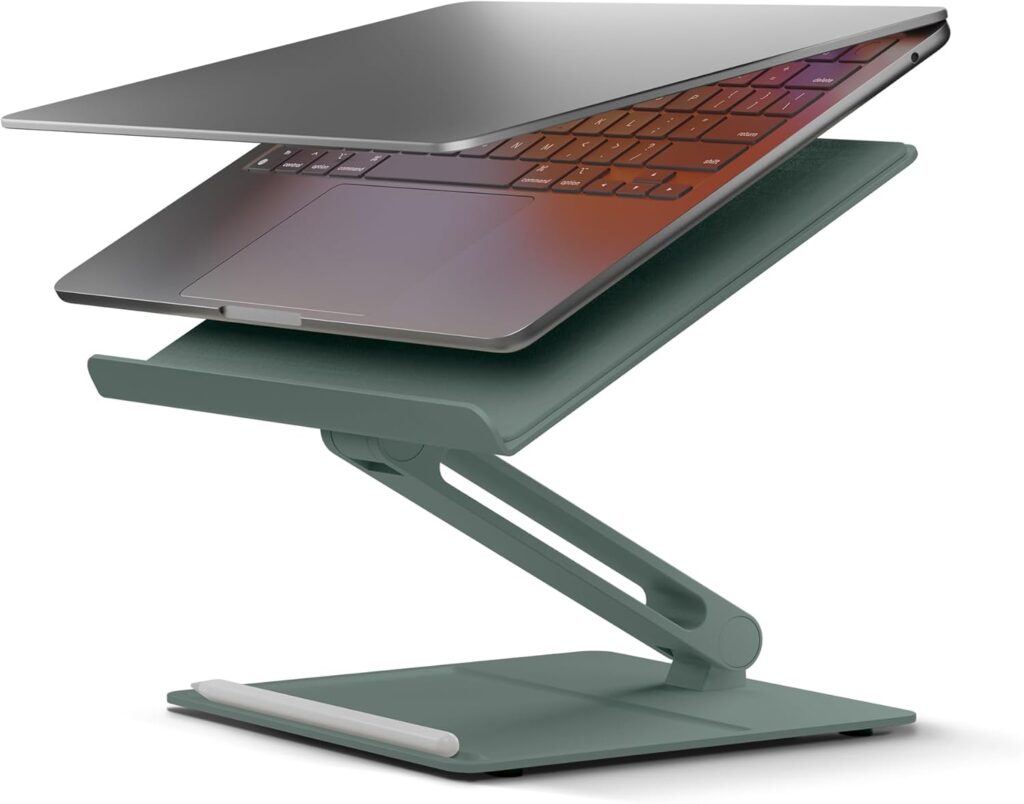
7. Native Union Desk Laptop Stand
A laptop stand should improve the way you work without making your desk feel more like an office.
Native Union’s Desk Laptop Stand gets that balance right. Its adjustable height and angle let you raise a laptop or tablet into a more comfortable position, while the weighted base keeps everything stable.
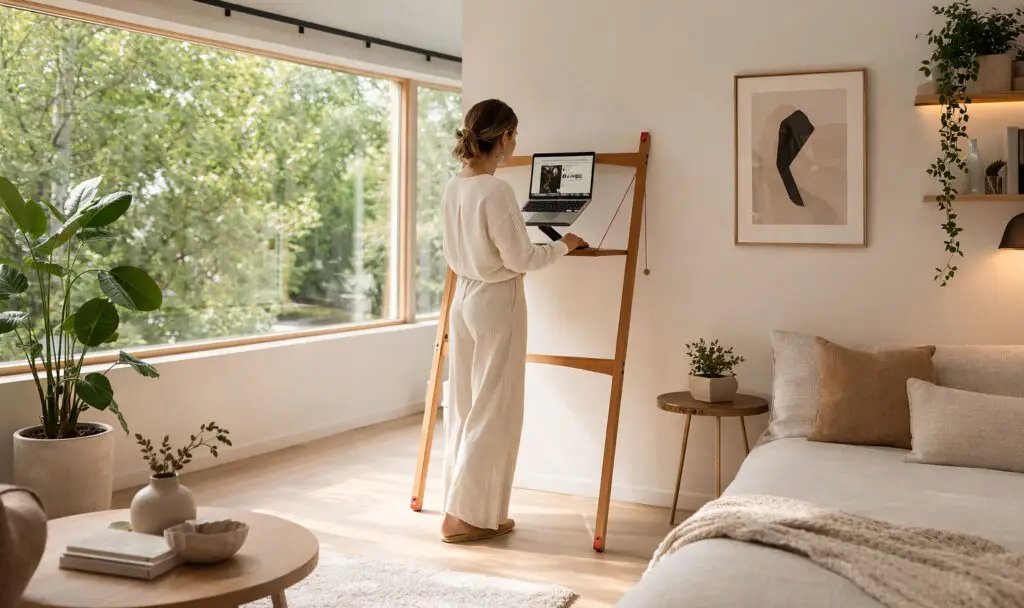
What we particularly like is that, much like Leandesk, it can fold away when the work is done. That makes it feel less like a permanent piece of office equipment and more like something that adapts to the room around it.
£64.99 at NativeUnion.com
Why we like it: useful when you need it, easy to put away when you don’t.
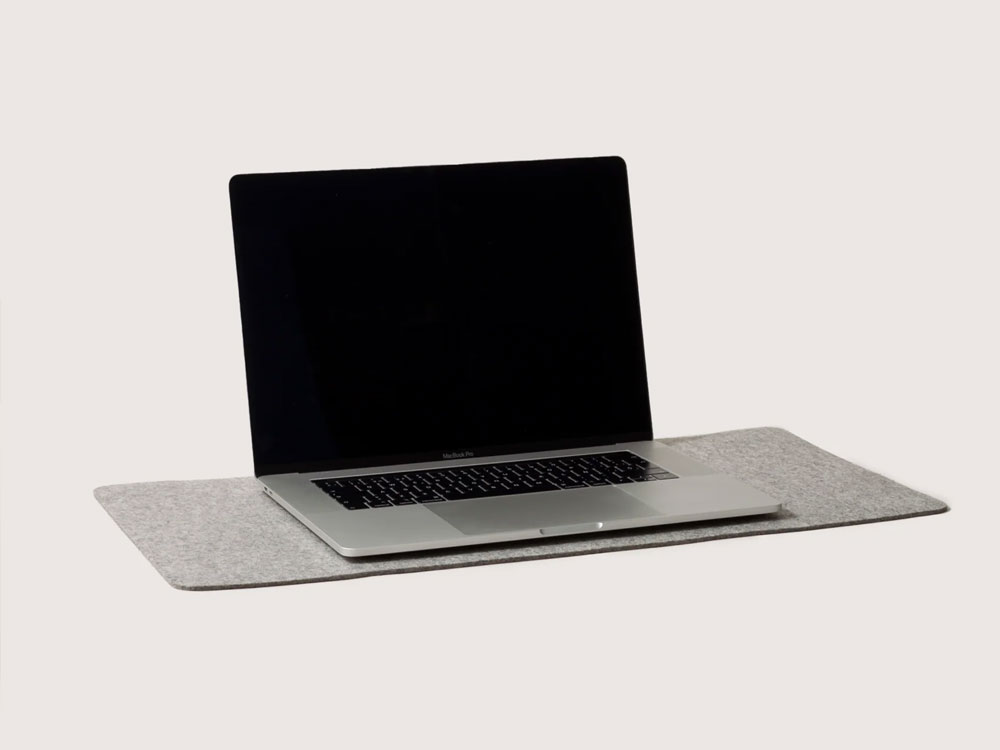
8. Graf Lantz Merino Wool Felt Desk Pad
Not every lasting object has to be hard, mechanical or industrial.
A desk also benefits from softness.
A proper wool felt mat gives you a quieter surface for a keyboard, notebook and everyday objects, while introducing some warmth alongside timber, aluminium and screens.
We like wool felt because it feels like a material rather than a finish pretending to be one. It does not need shiny coatings or complicated construction to justify itself.
And visually, it helps a workspace feel like part of an interior rather than a workstation dropped into one.
From $78 at GrafLantz.com
Why we like it: texture, warmth and a softer place to work.
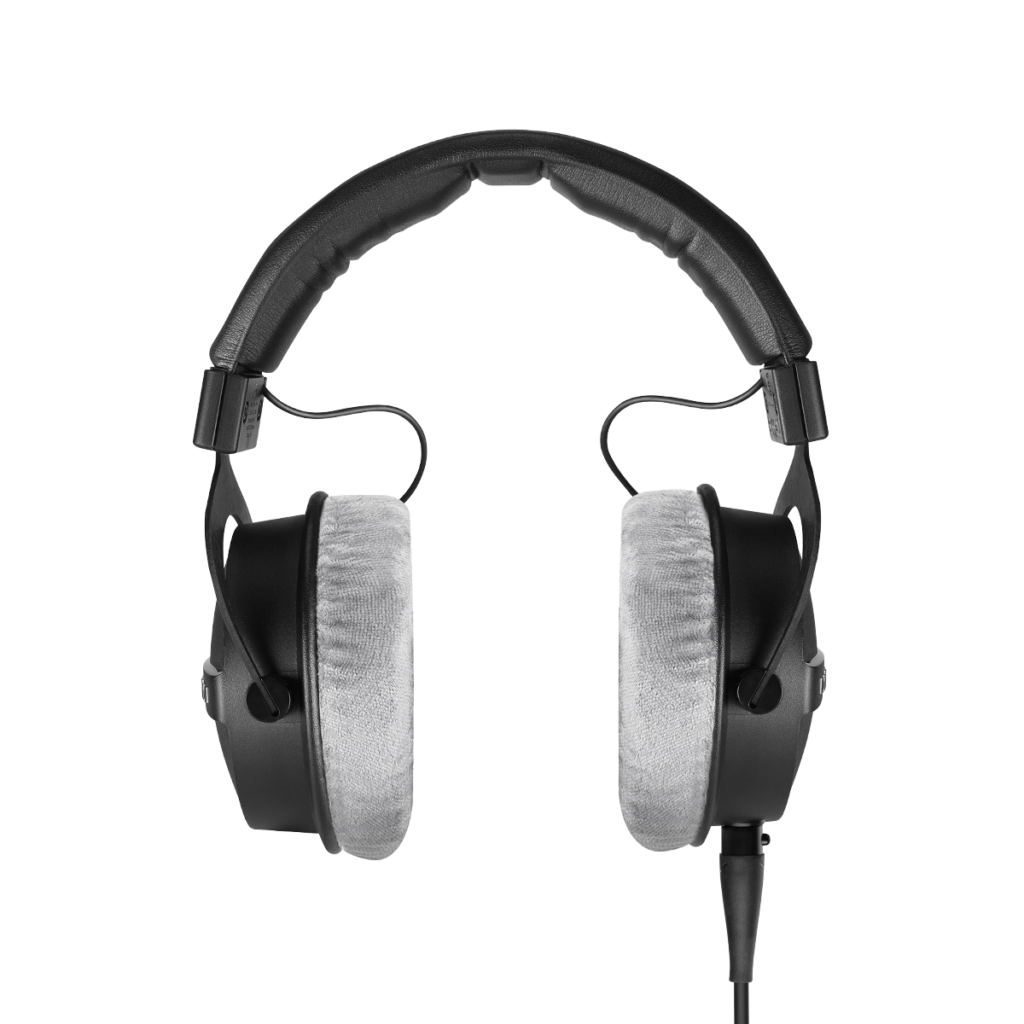
9. Beyerdynamic DT 770 PRO
The world probably does not need another pair of wireless headphones rendered obsolete by a tired rechargeable battery.
The DT 770 PRO comes from a different world.
They are wired studio headphones built primarily as working tools, with a design that has remained recognisable for decades. More importantly, Beyerdynamic supports replacement parts for components subject to wear, rather than treating the entire headphone as a sealed disposable object.
That matters.
Ear pads will eventually wear. Headbands get tired. Cables live difficult lives.
A good product anticipates that.
£132.88 at Polar.uk.com
Why we like it: professional equipment designed to be used, maintained and kept.
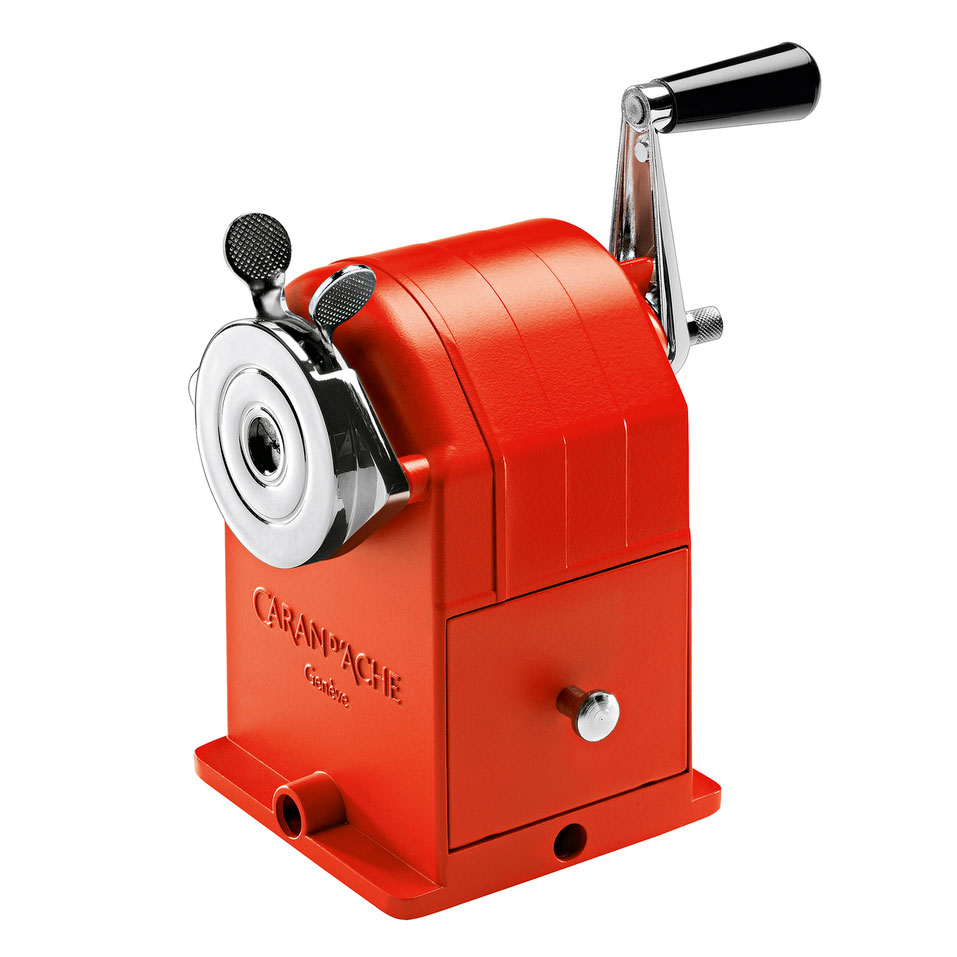
10. Caran d’Ache Metal Sharpening Machine
Possibly the least necessary object on this list.
Also possibly our favourite.
Caran d’Ache created its metal sharpening machine in 1933, and more than 90 years later the idea remains essentially perfect: put in a pencil, turn a handle, get a beautifully sharpened point.
The machine is metal, mechanically simple and uses an interchangeable cutter, meaning the wearing component can be changed rather than condemning the whole object.
It is an unusually substantial solution to a very small problem.
But there is something wonderful about an everyday tool being designed as though someone might still want to use it in fifty years.
£203 at Carandache.com
Why we like it: proof that even a pencil sharpener can deserve permanence.
The things we keep
None of these objects lasts simply because it is expensive.
Their appeal is different.
Some can be repaired. Some can be refilled. Some use materials that become more interesting with age. Others have already existed largely unchanged for half a century or more.
They share something harder to quantify too.
They were designed with enough conviction not to chase what comes next.
That is increasingly important in the spaces where we work.
A home workspace does not need to feel like a collection of office equipment. It can be made from things chosen in exactly the same way as everything else in a good interior: for usefulness, material, proportion, character and the pleasure of living with them.
Buy fewer things.
Choose the ones you want to keep.